

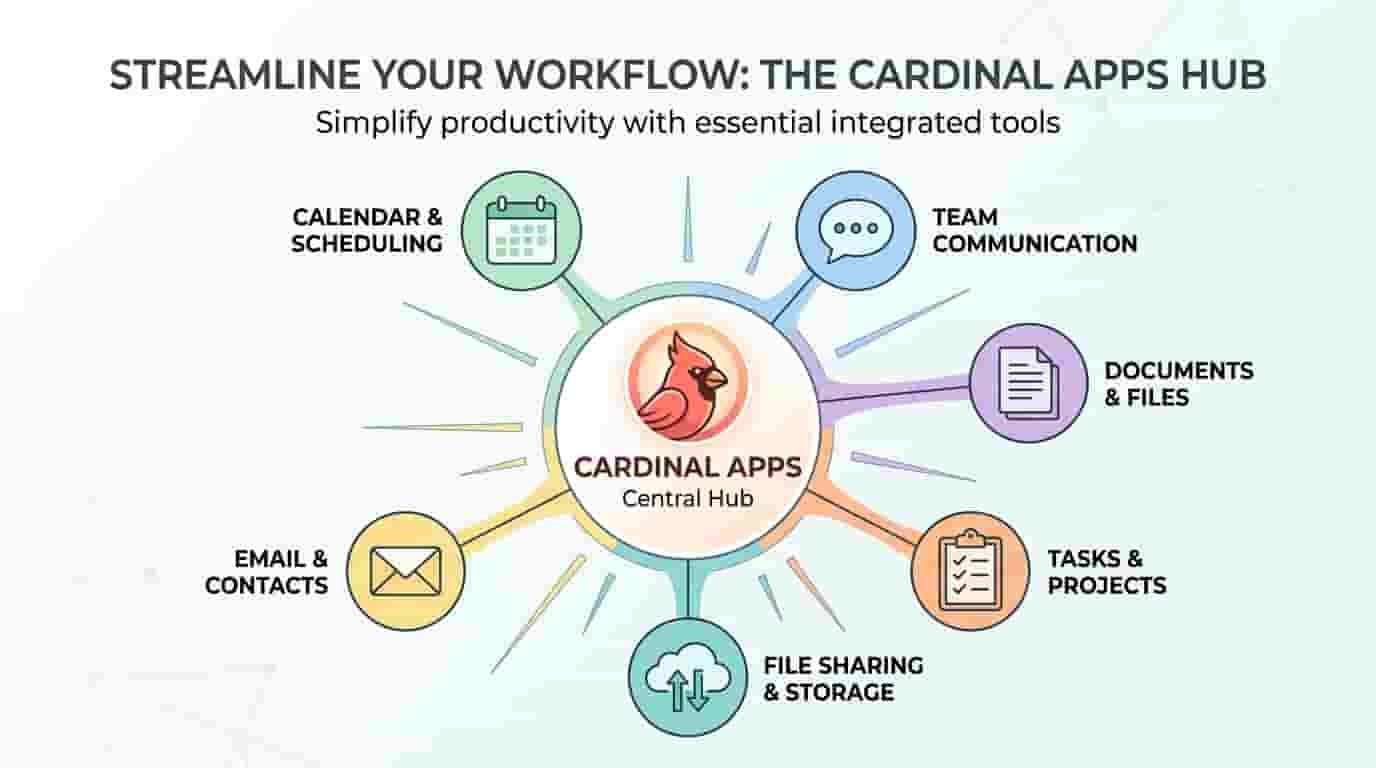
If you’ve been searching for cardinal apps, you’re likely looking for information about the growing ecosystem of Cardinal-powered software solutions and productivity tools. In recent years, Cardinal has become associated with AI-assisted workflow management, customer feedback analysis, prioritization systems, and specialized applications designed to help teams make smarter decisions. One notable example is Cardinal, which uses AI to organize customer feedback, product requests, CRM data, and development priorities into a unified decision-making workflow.
This comprehensive guide explains what Cardinal Apps are, how they work, their key features, benefits, use cases, implementation strategies, and expert tips for maximizing results.
Key Takeaways
Quick Answer:
Cardinal Apps are software tools designed to centralize information, streamline workflows, prioritize actions, and improve decision-making through automation, analytics, and AI-powered insights.
Highlights
- Centralize customer feedback and business data.
- Improve product prioritization.
- Reduce manual analysis.
- Enhance collaboration across teams.
- Support data-driven decision-making.
- Help identify high-value opportunities faster.
What Are Cardinal Apps?
Cardinal Apps generally refer to software solutions built around organizing, analyzing, and prioritizing information to help businesses operate more efficiently.
A modern Cardinal platform can:
- Collect customer feedback
- Integrate CRM information
- Analyze feature requests
- Connect with project management tools
- Prioritize work based on business impact
- Generate actionable insights using AI
According to available product documentation, Cardinal’s platform evaluates customer requests, feature demand, business value, and customer importance to support strategic product decisions.
Featured Snippet: What Do Cardinal Apps Do?
Cardinal Apps help organizations gather information from multiple sources, analyze priorities, identify valuable opportunities, and streamline decision-making. They reduce manual effort while improving visibility into customer needs, business goals, and operational workflows.
Why Cardinal Apps Are Becoming Popular
Businesses increasingly face challenges such as:
- Too much customer feedback
- Competing priorities
- Disconnected systems
- Limited visibility into customer needs
- Slow decision-making
Cardinal Apps address these problems by creating a single source of truth for teams.
Common Business Challenges
| Challenge | How Cardinal Apps Help |
| Scattered feedback | Centralize information |
| Prioritization confusion | AI-assisted ranking |
| Team misalignment | Shared visibility |
| Missed opportunities | Insight discovery |
| Manual analysis | Automation |
Key Features of Cardinal Apps
1. Customer Feedback Aggregation
Many organizations receive feedback from:
- Surveys
- Support tickets
- Sales calls
- Social media
- Product reviews
Cardinal Apps can consolidate these inputs into one platform.
Benefits
- Easier trend identification
- Better customer understanding
- Reduced data silos
2. AI-Powered Prioritization
One of the strongest capabilities associated with Cardinal platforms is AI-driven prioritization.
The software can help determine:
- Which features customers want most
- Which requests impact revenue
- Which customers are most valuable
- What should be developed first
This reduces subjective decision-making.
3. CRM Integration
Modern businesses rely heavily on CRM platforms.
Cardinal Apps can connect with:
- Customer records
- Sales pipelines
- Revenue data
- Account information
This provides context behind customer requests and business opportunities.
4. Product Management Support
Product teams often struggle with competing feature requests.
Cardinal Apps can help:
- Build feature backlogs
- Rank requests
- Track demand
- Identify recurring themes
This leads to smarter product roadmaps.
5. Reporting and Analytics
Data is valuable only when it’s understandable.
Cardinal Apps often include:
- Dashboards
- Trend reports
- Customer insights
- Performance metrics
- Strategic summaries
These reports support executive decision-making.
READ MORE GUIDE: How Immorpos35.3 Works
Benefits of Using Cardinal Apps
Improved Decision-Making
When data is centralized and analyzed effectively, leaders make more confident decisions.
Example
Instead of relying on assumptions, product managers can see:
- Customer demand levels
- Revenue impact
- Strategic importance
before approving development work.
Increased Productivity
Automation reduces repetitive tasks such as:
- Manual sorting
- Spreadsheet management
- Feedback categorization
- Reporting
Teams spend more time executing and less time organizing.
Better Customer Satisfaction
Customers appreciate when businesses respond to their needs.
Cardinal Apps help identify:
- Common complaints
- Requested features
- Emerging trends
This enables faster improvements.
Stronger Team Alignment
Departments often operate independently.
Cardinal Apps create transparency between:
- Product teams
- Sales teams
- Customer support
- Marketing
- Leadership
Everyone works from the same information source.
Step-by-Step Guide: How to Implement Cardinal Apps
Step 1: Identify Business Goals
Define what you’re trying to improve.
Examples:
- Feature prioritization
- Customer retention
- Product development
- Feedback management
Step 2: Gather Existing Data Sources
List your current systems:
- CRM
- Help desk
- Surveys
- Product analytics
- Customer success tools
Step 3: Connect Integrations
Integrate available platforms into your Cardinal environment.
The more complete your data ecosystem, the more accurate the insights.
Step 4: Categorize Information
Create categories such as:
- Bugs
- Feature requests
- Customer complaints
- Enhancement ideas
This improves analysis quality.
Step 5: Establish Prioritization Criteria
Examples include:
- Revenue impact
- Customer demand
- Strategic value
- Development effort
- Risk reduction
Step 6: Review Insights Regularly
Schedule weekly or monthly reviews to:
- Update priorities
- Monitor trends
- Evaluate outcomes
Real-World Use Cases for Cardinal Apps
SaaS Companies
Software companies use Cardinal Apps to:
- Prioritize feature requests
- Track customer demand
- Reduce churn
Product Teams
Product managers benefit from:
- Backlog management
- Roadmap planning
- Stakeholder alignment
Customer Success Teams
Customer success professionals can:
- Identify recurring issues
- Spot retention risks
- Improve service quality
Executive Leadership
Leadership teams use insights for:
- Strategic planning
- Resource allocation
- Growth forecasting
Common Mistakes When Using Cardinal Apps
Ignoring Data Quality
Poor data creates poor insights.
Always ensure:
- Accurate records
- Consistent tagging
- Clean integrations
Over-Relying on Automation
AI is powerful, but human judgment remains essential.
Best practice:
- Use AI recommendations
- Validate with business expertise
Not Defining Priorities
Without clear criteria, prioritization becomes inconsistent.
Create a documented framework before implementation.
Failing to Review Insights
Analytics only create value when teams act on them.
Schedule recurring reviews.
Expert Tips for Maximizing Results
Focus on Outcomes, Not Features
Avoid tracking every request equally.
Instead ask:
Which improvements create the greatest business impact?
Build a Feedback Loop
Share decisions with customers.
Benefits include:
- Increased trust
- Higher engagement
- Better adoption
Combine Quantitative and Qualitative Data
Use both:
- Numbers
- Customer comments
This creates more accurate insights.
Monitor Trends Over Time
A single request may not matter.
A growing pattern often does.
Trend analysis frequently reveals the most valuable opportunities.
Cardinal Apps vs Traditional Workflow Management
| Feature | Cardinal Apps | Traditional Systems |
| AI prioritization | Yes | Limited |
| Feedback analysis | Advanced | Basic |
| Customer context | Strong | Often fragmented |
| Automation | High | Moderate |
| Strategic insights | Extensive | Limited |
Frequently Asked Questions
1. What are Cardinal Apps?
Cardinal Apps are software tools designed to collect, organize, analyze, and prioritize business information, helping teams make better decisions through automation and data-driven insights.
2. Who should use Cardinal Apps?
They are ideal for:
- Product managers
- SaaS companies
- Customer success teams
- Startup founders
- Enterprise organizations
3. Are Cardinal Apps AI-powered?
Many modern Cardinal solutions incorporate AI to analyze feedback, prioritize opportunities, and generate actionable recommendations.
4. Can Cardinal Apps integrate with CRM systems?
Yes. Integration with CRM platforms is one of the core capabilities commonly associated with Cardinal Solutions.
5. How do Cardinal Apps improve productivity?
They reduce manual work through automation, centralized data management, reporting, and intelligent prioritization.
6. Are Cardinal Apps suitable for small businesses?
Yes. Small businesses can benefit from improved visibility, customer understanding, and more efficient resource allocation.
7. What industries benefit most from Cardinal Apps?
Industries that rely heavily on customer feedback and product development typically see the greatest value, including SaaS, technology, customer support, and digital services.
8. Do Cardinal Apps replace human decision-making?
No. They support decision-making by providing insights and recommendations, while final strategic decisions remain with business leaders.
Conclusion
Cardinal Apps are becoming increasingly valuable for organizations that need to manage customer feedback, prioritize initiatives, and make smarter strategic decisions. By combining automation, analytics, AI-powered prioritization, and centralized data management, these tools help teams focus on the work that creates the greatest impact.
Whether you’re a startup building your first product roadmap or an enterprise managing thousands of customer requests, Cardinal Apps can provide the visibility and structure needed to improve outcomes and drive growth.
