

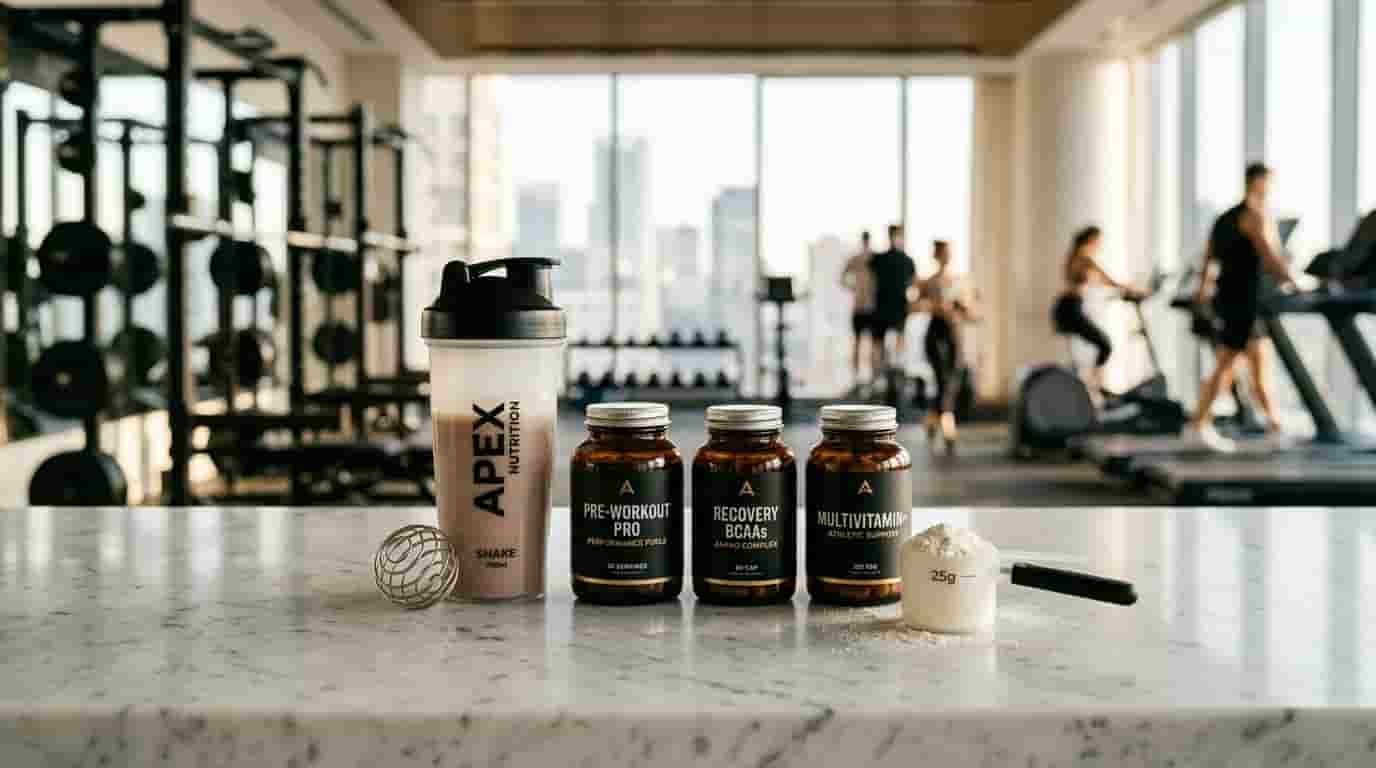
Effective supplementation is no longer just about taking vitamins and hoping for results. Modern athletes, fitness enthusiasts, and health-conscious individuals need a structured approach to choosing, tracking, and optimizing supplements. That’s where supplement management TheSpoonAthletic becomes an important concept.
A well-designed supplement management system helps you organize intake schedules, avoid unnecessary products, monitor effectiveness, and align supplements with your health and performance goals. Whether you’re building muscle, improving recovery, supporting immunity, or enhancing overall wellness, strategic supplement management can make a significant difference.
In this comprehensive guide, you’ll learn how supplement management works, why it matters, common mistakes to avoid, and practical strategies for creating a personalized supplement plan.
Key Takeaways
Quick Answer:
Supplement management TheSpoonAthletic refers to the systematic planning, tracking, evaluation, and optimization of dietary supplements to support health, fitness, recovery, and performance goals while minimizing risks and unnecessary spending.
Key Points
- Supplement management improves consistency and effectiveness.
- Tracking helps identify what actually delivers results.
- Quality and safety should always come before marketing claims.
- Personalized supplement plans outperform generic approaches.
- Regular reviews prevent supplement overload.
- Nutrition should remain the foundation of any health strategy.
Why Supplement Management Matters
The supplement industry is worth billions of dollars globally, with thousands of products available for consumers. Unfortunately, many people purchase supplements without understanding:
- Proper dosages
- Timing requirements
- Potential interactions
- Evidence supporting effectiveness
- Individual nutritional needs
As a result, people often spend money on products that provide little value.
A structured supplement management TheSpoonAthletic approach helps eliminate guesswork and creates a more evidence-based wellness strategy.
What Is Supplement Management TheSpoonAthletic?
Simple Definition
Supplement management is the process of:
- Identifying goals
- Selecting appropriate supplements
- Tracking intake
- Monitoring results
- Adjusting based on performance and health outcomes
Instead of randomly adding products, you create a system that supports measurable progress.
Core Components
| Component | Purpose |
| Goal Setting | Define desired outcomes |
| Supplement Selection | Choose evidence-based products |
| Scheduling | Maintain consistency |
| Monitoring | Track effectiveness |
| Evaluation | Review outcomes regularly |
| Optimization | Improve the supplement plan |
Benefits of Supplement Management TheSpoonAthletic
1. Improved Performance
Athletes often use supplements to support:
- Strength development
- Endurance
- Recovery
- Energy production
- Hydration
Proper management ensures supplements are aligned with training demands.
2. Better Recovery
Recovery-focused supplements may help support:
- Muscle repair
- Sleep quality
- Reduced fatigue
- Nutrient replenishment
Tracking recovery metrics helps determine whether products are effective.
3. Reduced Supplement Waste
Many consumers purchase overlapping products containing identical ingredients.
A management system helps identify:
- Duplicates
- Unnecessary products
- Ineffective supplements
This can significantly reduce monthly supplement expenses.
4. Enhanced Safety
Some supplements may interact with:
- Prescription medications
- Medical conditions
- Other supplements
Regular review minimizes potential risks.
5. Data-Driven Decision Making
Instead of relying on marketing promises, supplement management focuses on measurable outcomes.
Examples include:
- Strength gains
- Energy levels
- Sleep quality
- Recovery speed
- Body composition changes
How to Build a Supplement Management System
Step 1: Define Your Goals
Before purchasing supplements, determine your primary objective.
Common Goals
- Muscle growth
- Weight loss
- Athletic performance
- Recovery support
- Immune health
- General wellness
- Healthy aging
Example
If your goal is muscle gain, your strategy may prioritize:
- Protein intake
- Recovery support
- Performance nutrition
If your goal is endurance, hydration and energy support may become more important.
Step 2: Assess Your Current Nutrition
Supplements are designed to supplement—not replace—a healthy diet.
Ask Yourself
- Am I eating enough protein?
- Do I consume fruits and vegetables regularly?
- Am I meeting calorie requirements?
- Are there known nutrient deficiencies?
Many people discover that improving nutrition delivers greater benefits than adding more supplements.
Step 3: Choose Evidence-Based Supplements
One major principle of supplement management TheSpoonAthletic is prioritizing research-backed options.
Common Evidence-Supported Categories
Protein Supplements
Useful for:
- Muscle recovery
- Muscle growth
- Meeting daily protein targets
Creatine
Widely researched for:
- Strength
- Power output
- Performance support
Omega-3 Fatty Acids
May support:
- Heart health
- Recovery
- Inflammation management
Vitamin D
Important for:
- Bone health
- Immune support
- Overall wellness
Electrolytes
Helpful during:
- Intense training
- Long-duration exercise
- Heavy sweating
Step 4: Create a Supplement Schedule
Consistency often matters more than complexity.
Example Daily Schedule
| Time | Supplement Category |
| Morning | Multivitamin, Vitamin D |
| Pre-Workout | Performance support |
| Post-Workout | Protein supplement |
| Evening | Recovery-focused supplements |
A structured schedule improves adherence and reduces missed doses.
Step 5: Track Results
Metrics Worth Monitoring
- Workout performance
- Sleep quality
- Recovery scores
- Body weight
- Body composition
- Energy levels
- Mood
Use:
- Fitness apps
- Journals
- Spreadsheets
- Wearable technology
Tracking transforms supplementation from guessing into informed decision-making.
Step 6: Review Every 8–12 Weeks
A supplement plan should evolve.
Questions to Ask
- Is this supplement helping?
- Are measurable improvements occurring?
- Is the cost justified?
- Have my goals changed?
Remove products that fail to provide noticeable value.
Supplement Management TheSpoonAthletic for Different Goals
Muscle Building
Priority Areas
- Adequate protein intake
- Recovery support
- Training consistency
Tracking Metrics
- Strength progression
- Lean mass gains
- Recovery quality
Weight Management
Focus Areas
- Nutritional adherence
- Appetite control strategies
- Energy balance
Monitoring
- Weekly weight trends
- Waist measurements
- Activity levels
Endurance Training
Important Considerations
- Hydration
- Electrolytes
- Recovery nutrition
- Fueling strategies
Track
- Training volume
- Recovery time
- Energy levels
General Wellness
Core Priorities
- Nutrient adequacy
- Sleep quality
- Stress management
- Long-term health support
Common Mistakes in Supplement Management
Taking Too Many Supplements
More isn’t always better.
Problems include:
- Increased cost
- Greater complexity
- Higher risk of interactions
Focus on essentials first.
Ignoring Nutrition
Many people try to supplement poor dietary habits.
Supplements work best when combined with:
- Balanced meals
- Adequate protein
- Proper hydration
- Quality sleep
Following Trends Blindly
Popular supplements are not automatically effective.
Always evaluate:
- Research support
- Personal needs
- Safety considerations
Not Tracking Results
Without tracking, it’s impossible to know whether a supplement is helping.
Measure outcomes objectively whenever possible.
Using Low-Quality Products
Choose products from reputable manufacturers that provide:
- Third-party testing
- Transparent labeling
- Quality assurance standards
Expert Tips for Better Supplement Management
Keep Your Stack Simple
Start with a small number of supplements.
Add new products one at a time.
This makes it easier to identify what is working.
Use a Supplement Log
Record:
- Product name
- Dosage
- Timing
- Results
Small details often reveal important trends.
Prioritize Recovery
Many athletes focus exclusively on performance.
However, recovery often delivers greater long-term benefits.
Monitor:
- Sleep
- Hydration
- Stress
- Recovery markers
Review Scientific Evidence
Look beyond marketing claims.
Focus on:
- Clinical studies
- Consensus recommendations
- Evidence-based guidelines
Consult Professionals When Needed
Consider guidance from:
- Registered dietitians
- Sports nutritionists
- Physicians
- Qualified healthcare providers
Especially if you have medical conditions or take medications.
Quick Summary Box
What Is Supplement Management TheSpoonAthletic?
Supplement management TheSpoonAthletic is a structured system for selecting, organizing, tracking, evaluating, and optimizing supplements based on individual health and performance goals. It helps improve effectiveness, reduce waste, enhance safety, and create measurable results through data-driven decision-making.
Real-World Example
Imagine two athletes.
Athlete A
- Buys supplements based on social media recommendations.
- Changes products weekly.
- Tracks nothing.
Athlete B
Uses a supplement management framework:
- Defines goals.
- Selects evidence-based products.
- Tracks performance.
- Reviews results quarterly.
After several months, Athlete B typically has clearer insights into what works, spends less money, and achieves more consistent progress.
This illustrates why structured supplement management often outperforms random supplementation.
Frequently Asked Questions
1. What is supplement management TheSpoonAthletic?
Supplement management TheSpoonAthletic is the organized process of planning, tracking, and optimizing supplement use to support fitness, recovery, performance, and overall health goals while minimizing unnecessary supplementation.
2. Why is supplement management important?
It improves consistency, reduces waste, enhances safety, and helps determine whether supplements are actually contributing to desired outcomes.
3. How often should I review my supplement plan?
Most individuals benefit from reviewing their supplement strategy every 8–12 weeks to assess effectiveness and make adjustments.
4. Can supplements replace a healthy diet?
No. Supplements are intended to complement a balanced diet, not replace nutritious foods, hydration, sleep, and healthy lifestyle habits.
5. What should I track when using supplements?
Monitor metrics such as energy, recovery, strength, body composition, sleep quality, and overall well-being to evaluate effectiveness.
6. How many supplements should I take?
The ideal number depends on your goals and needs. Most people benefit from focusing on a few evidence-based supplements rather than large, complex stacks.
7. How do I know if a supplement is working?
Track measurable outcomes over time. Improvements in performance, recovery, health markers, or goal-specific metrics may indicate effectiveness.
8. Should athletes use supplement management systems?
Yes. Athletes often have higher performance demands, making structured supplement planning and tracking especially valuable.
Conclusion
A strategic supplement management TheSpoonAthletic approach helps transform supplementation from guesswork into a structured, measurable process. By defining clear goals, selecting evidence-based products, tracking outcomes, and reviewing progress regularly, individuals can maximize benefits while minimizing waste and potential risks.
The most successful supplement plans are simple, personalized, and continuously optimized. Remember that supplements should support—not replace—a strong foundation of nutrition, training, recovery, and healthy lifestyle habits.
