


Riding long distances on a motorcycle is one of the most exciting adventures a rider can experience. However, attempting 1000 miles a day on motorcycle trips is not something you should take lightly. It requires physical stamina, mental focus, careful planning, and the right equipment.
For some riders, covering 1000 miles in a single day is a bucket-list achievement. For others, it becomes part of long-distance touring culture. Either way, preparation makes the difference between an unforgettable experience and a dangerous mistake.
In this guide, you’ll learn how to prepare for long-distance motorcycle riding, what mistakes to avoid, and how experienced riders successfully complete massive riding days safely. Whether you are a beginner or an experienced rider looking to improve your endurance, this article will help you ride smarter and safer.
Why Riders Attempt 1000 Miles a Day on Motorcycle Trips
Many motorcycle enthusiasts challenge themselves with endurance rides because they enjoy adventure, freedom, and personal achievement. Riding across states, deserts, mountains, or highways in a single day can be incredibly rewarding.
Here are a few common reasons riders attempt these long journeys:
- Personal challenge and accomplishment
- Cross-country travel goals
- Motorcycle endurance certifications
- Efficient long-distance touring
- Love for open-road experiences
Some organizations even recognize riders who complete 1000-mile rides within 24 hours. However, safety should always come before records or bragging rights.
Is Riding 1000 Miles in One Day Realistic?
Yes, but it depends on several important factors:
- Riding experience
- Weather conditions
- Road quality
- Motorcycle comfort
- Physical endurance
- Traffic levels
For beginners, riding 1000 miles in one day may be extremely exhausting. Most experienced riders recommend gradually increasing your distance before attempting such a challenge.
A rider who comfortably handles 300–500 miles regularly will have a much better chance of succeeding safely.
READ MORE GUIDE: How Many Steps Are in a Mile? Easy Answer by Height & Stride
How to Prepare for 1000 Miles a Day on Motorcycle Adventures
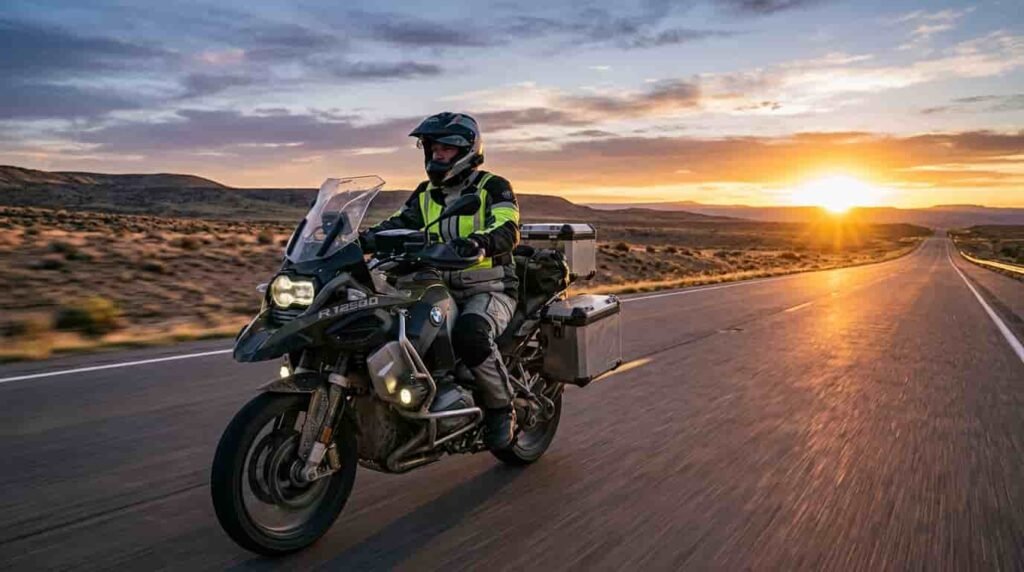
Preparation is everything. Long-distance riding tests both the rider and the motorcycle.
1. Choose the Right Motorcycle
Not every motorcycle is ideal for endurance riding. Touring motorcycles generally offer better comfort and storage.
Features to look for:
- Comfortable seating
- Wind protection
- Cruise control
- Large fuel tank
- Relaxed riding position
Adventure bikes and touring bikes are often preferred for long-distance travel.
2. Improve Physical Fitness
Many people underestimate the physical demands of motorcycle riding. After several hours, your neck, shoulders, wrists, and lower back may become sore.
Helpful exercises include:
- Stretching
- Core workouts
- Cardio training
- Neck strengthening exercises
Hydration and sleep are equally important before the ride.
3. Plan Your Route Carefully
A major mistake riders make is poor route planning.
Before leaving:
- Check weather forecasts
- Identify fuel stops
- Avoid heavy traffic areas
- Plan rest breaks
- Download offline maps
Highways usually make long-distance riding easier because they reduce stop-and-go traffic.
Step-by-Step Guide for Riding 1000 Miles in One Day
Successfully completing a long-distance ride requires a smart strategy. Follow these steps to improve safety and comfort.
Step 1: Start Early
Most experienced riders begin before sunrise.
Benefits include:
- Cooler temperatures
- Less traffic
- More daylight hours
- Better concentration
Leaving at 4–5 AM can give you a huge advantage.
Step 2: Maintain a Consistent Pace
Trying to ride too fast usually backfires. Aggressive riding increases fatigue and fuel consumption.
Instead:
- Maintain steady highway speeds
- Avoid sudden acceleration
- Ride smoothly and calmly
Consistency saves both time and energy.
Step 3: Take Short Breaks Regularly
Many riders believe stopping wastes time. Actually, short breaks improve alertness and endurance.
A good rule is:
- Stop every 100–150 miles
- Stretch for 5–10 minutes
- Drink water
- Eat light snacks
Small breaks can prevent dangerous fatigue later in the ride.
Step 4: Stay Hydrated and Eat Smart
Dehydration is a major problem during long rides. Wind, heat, and sun exposure drain energy quickly.
Best foods for endurance rides:
- Bananas
- Nuts
- Protein bars
- Fruit
- Sandwiches
Avoid:
- Heavy fast food
- Excess sugar
- Too much caffeine
Hydration packs are especially useful for long trips.
Step 5: Watch for Mental Fatigue
Mental exhaustion can be more dangerous than physical tiredness.
Warning signs include:
- Missing road signs
- Daydreaming
- Slow reactions
- Difficulty focusing
If you notice these symptoms, stop immediately and rest.
Essential Gear for 1000 Miles a Day on Motorcycle Rides
The right gear can dramatically improve comfort and safety.
Helmet
Choose a lightweight, well-ventilated helmet that reduces wind noise.
Riding Jacket and Pants
Protective gear helps reduce fatigue from wind and weather exposure.
Gloves
Comfortable gloves prevent numb hands during long hours.
Earplugs
Many riders overlook ear protection. Wind noise causes fatigue faster than most people realize.
Rain Gear
The weather can change quickly during long rides. Always carry waterproof gear.
Real-Life Example of a Long-Distance Motorcycle Ride
Imagine a rider traveling from Dallas, Texas, to Phoenix, Arizona.
The rider prepares by:
- Sleeping 8 hours before departure
- Starting at 4:30 AM
- Planning fuel stops every 140 miles
- Wearing layered riding gear
- Using a hydration backpack
During the ride:
- Short breaks are taken every two hours
- Heavy meals are avoided
- Speed remains consistent
- GPS and weather apps are monitored
By staying disciplined and focused, the rider safely completes the journey in approximately 18 hours, including stops.
This example shows that smart planning matters more than speed.
Common Mistakes Riders Make
Long-distance riding becomes dangerous when riders ignore warning signs or fail to prepare properly.
Riding While Sleep Deprived
This is one of the biggest mistakes. Fatigue slows reaction time and increases accident risk.
Skipping Breaks
Pushing too hard often leads to exhaustion later.
Overpacking
Extra luggage affects motorcycle handling and comfort.
Ignoring Weather Conditions
Rain, wind, and extreme heat can quickly become hazardous.
Poor Motorcycle Maintenance
Always inspect:
- Tires
- Brakes
- Oil levels
- Lights
- Chain or belt
Mechanical problems become far worse during long rides.
Benefits of Long-Distance Motorcycle Riding
There’s a reason riders love endurance travel.
Personal Achievement
Completing a difficult ride builds confidence and mental strength.
Adventure and Freedom
Long rides create unforgettable experiences and memories.
Improved Riding Skills
Endurance riding teaches focus, smooth control, and discipline.
Scenic Exploration
You experience landscapes and roads in a way cars simply cannot match.
Important Safety Facts Riders Should Know
Before attempting 1000 miles a day on motorcycle trips, remember these important facts:
- Fatigue causes slower reactions
- Wind exposure increases exhaustion
- Hydration directly affects concentration
- Night riding is more dangerous
- Weather changes can happen suddenly
Most importantly, there is no shame in stopping early. Safety should always come first.
How Beginners Can Build Up to 1000-Mile Rides
If you are new to motorcycle touring, avoid jumping directly into extreme distances.
Instead:
- Start with 100–200-mile rides
- Progress to 300–400 miles
- Practice highway riding
- Learn fuel and rest management
- Improve endurance gradually
Building experience over time is the safest approach.
FAQ About 1000 Miles a Day on Motorcycle Riding
Is riding 1000 miles in one day dangerous?
It can be dangerous if you are unprepared, tired, or inexperienced. Proper planning, hydration, rest, and safe riding habits reduce risk significantly.
How long does it take to ride 1000 miles on a motorcycle?
Most riders take 16–20 hours, including fuel stops, food breaks, and traffic delays.
What type of motorcycle is best for long-distance rides?
Touring motorcycles, adventure bikes, and sport-touring bikes are usually best because they offer comfort and storage.
How often should I stop during a long ride?
Most experienced riders stop every 100–150 miles or every 2 hours to stretch and hydrate.
Can beginners attempt 1000 miles a day on motorcycle trips?
Beginners should build endurance gradually before attempting such a demanding ride.
What is the biggest challenge during endurance rides?
Mental fatigue is often the biggest challenge because it affects concentration and reaction time.
Conclusion
Completing 1000 miles a day on motorcycle journeys is an incredible challenge that combines preparation, discipline, endurance, and smart decision-making. While the experience can be deeply rewarding, riders must respect the physical and mental demands involved.
The key to success is not speed — it is consistency, planning, hydration, rest, and safety awareness. By preparing carefully, using the right gear, and listening to your body, you can enjoy long-distance motorcycle adventures with greater confidence and comfort.
Whether your goal is personal achievement, cross-country touring, or simply experiencing the freedom of the open road, long-distance riding can become one of the most memorable parts of motorcycle life.
